Lux Learning Center is developing an enrichment program designed to complement independent study with movement, creativity, practical life skills, entrepreneurship, community engagement, live arts and culture, outdoor learning, discussion, and structured academic enrichment with limited screen time. Students will create, perform, build, grow, explore, read, write, plan, problem-solve, think strategically, and experience learning beyond the classroom.
Lux Learning Center enrichment is designed to give students meaningful opportunities to create with their hands, explore new interests, communicate with confidence, think strategically, stay active, engage with the arts, and connect academic learning to the world around them.
Independent study should not mean spending the entire day working alone or staring at a screen. Students also need opportunities to paint, draw, sew, build, grow, perform, write, debate, play chess, manage a budget, design a business idea, serve their community, move, explore outdoors, visit museums, attend live performances, and experience ideas in the places where art, history, science, music, culture, and civic life actually live.
Lux Learning Center’s enrichment offerings will evolve with student age, staffing, facilities, community partnerships, available programs, safety requirements, and parent approval where needed. The goal is not to fill time with random extras. The goal is to create a thoughtful, hands-on program that develops curiosity, confidence, creativity, discipline, communication, and a genuine connection to learning beyond ordinary assignments.
These offerings give students age-appropriate experience with personal finance, entrepreneurship, civic participation, service, planning, communication, and real-world problem-solving. The focus is on doing: building budgets, creating mock businesses, developing projects, making presentations, and learning how thoughtful action can make a difference.
Students learn practical personal-finance skills through age-appropriate activities involving budgeting, saving, spending, needs versus wants, household expenses, goal-setting, comparison shopping, and planning for everyday costs.
The emphasis is not on memorizing financial vocabulary. Students work through realistic scenarios, make choices within a budget, see tradeoffs, and learn that responsible money management is a life skill built through planning and good habits.
Students learn how an idea can become a simple business concept. They explore customers, problems worth solving, products and services, pricing, basic costs, branding, marketing, communication, and what makes people choose one option over another.
Students may design a mock product or service, create a name and visual identity, develop basic promotional materials, calculate simple costs and pricing, and present their idea to classmates or adults. The goal is to build initiative, creativity, confidence, and practical business thinking—not just teach business vocabulary.
Students learn how local communities work and how people can contribute to them. Topics may include the roles of local government, public agencies, community organizations, voting and representation at an age-appropriate level, public meetings, advocacy, service, and how residents raise concerns or propose improvements.
Students can move from learning into action by identifying a local need and helping design a volunteer or service project. Older students may research an issue, write a respectful advocacy letter, prepare a short presentation, or learn how to communicate a proposal to an organization or public office.
These offerings support physical wellness, environmental awareness, healthy habits, observation, teamwork, and hands-on learning connected to daily life.
Students learn the fundamentals of gardening and sustainable growing through direct participation in planting, caring for, observing, and maintaining outdoor growing spaces. Activities may include vegetables, fruits, herbs, flowers, seasonal crops, soil preparation, watering, composting concepts, plant health, and the life cycles students can see unfolding in real time.
Agriculture connects science, patience, responsibility, nutrition, stewardship, teamwork, and the satisfaction of watching something grow because students cared for it consistently.
Students participate in physical education activities focused on movement, teamwork, fitness, coordination, sportsmanship, healthy habits, and age-appropriate athletic development.
PE gives students a needed physical break from academic work while reinforcing discipline, cooperation, confidence, resilience, and lifelong wellness.
Students explore local outdoor environments while learning teamwork, environmental awareness, safety, observation, and physical wellness. Walks and hikes can also create natural connections to science, geography, photography, writing, and stewardship.
Outdoor exploration helps students understand that learning does not stop at the classroom door. Nature becomes a place to notice, question, document, move, and learn.
Leadership and strategic thinking grow through practice. Debate, public speaking, and chess give students structured opportunities to communicate ideas, evaluate choices, manage pressure, and learn from both success and mistakes.
Students strengthen communication, confidence, presentation skills, and respectful discussion through speeches, debates, collaborative activities, and structured conversation.
The goal is not simply to win an argument. Students learn to think clearly, organize ideas, listen respectfully, respond thoughtfully, use evidence, and speak with confidence in front of others.
Students learn chess fundamentals, opening principles, pattern recognition, strategic thinking, patience, focus, sportsmanship, and decision-making through direct play and guided practice.
Chess rewards discipline over impulse. Students learn to think ahead, recognize consequences, recover from mistakes, respect an opponent, and understand that losing can become useful instruction.
Lux Learning Center’s creative enrichment is designed around active studio work, real materials, experimentation, performance, design, writing, and building. Students will have opportunities to develop technique, make choices, solve problems, revise their work, and create pieces they are proud to finish and share.
Students work with a broad range of art materials and techniques through projects in drawing, painting, color, composition, collage, dimensional work, mixed media, design, and other studio-based forms. The emphasis is on actually making art: learning a technique, experimenting with materials, developing an idea, revising when needed, and completing finished work.
Art also gives students room to slow down, observe carefully, make independent choices, develop patience, and build confidence through work that is visible, tangible, and uniquely their own.
Students explore sewing and textile-based creativity through age-appropriate hand sewing, fabric projects, basic pattern concepts, decorative stitching, simple repairs, design choices, and other fiber or handcraft projects.
These projects combine creativity with precision. Students learn that useful skills can also be artistic, and that careful planning, measuring, patience, and attention to detail produce something they can actually use, wear, display, or give to someone else.
Students build confidence, expression, listening, memorization, movement, voice, and teamwork through theater games, improvisation, short scenes, monologues, reader’s theater, script work, rehearsal, and performance practice.
Drama turns communication into something physical and collaborative. Students learn to interpret text, take direction, support scene partners, use their voice and body intentionally, and become more comfortable being seen and heard.
Students create stories, poems, personal narratives, scripts, character sketches, descriptive pieces, and other original writing while learning how ideas develop through drafting, revision, editing, and sharing.
Creative Writing helps students develop an authentic voice and see writing as something they can use to imagine, communicate, entertain, reflect, and create—not simply something assigned for a grade.
Students participate in hands-on engineering challenges using Lego builds and other age-appropriate design activities. They plan, build, test, identify what did not work, revise, and explain the choices behind their final design.
STEM building teaches students that failure is information. Strong designs usually come from testing, teamwork, persistence, and the willingness to change an idea when the evidence says it needs improvement.
Lux Learning Center plans to connect students with Sacramento-area museums, live theater, music, performances, exhibitions, and other cultural experiences so that art, history, literature, science, and the performing arts become things students can see, hear, discuss, and remember.
Students may visit local museums, galleries, exhibitions, historic collections, and educational institutions connected to art, history, science, culture, and the subjects they are studying.
A museum visit can become much more than a field trip. Students can sketch, take notes, compare objects, ask questions, complete reflection work, connect an exhibit to class content, and return with a stronger understanding of something they previously encountered only in a book or lesson.
Students may attend age-appropriate local theater productions, plays, student matinees, and other live performances that complement literature, drama, history, and the arts.
Seeing theater live gives students a different understanding of performance than watching a screen. They can observe acting choices, staging, lighting, costumes, sets, pacing, audience response, and the collaborative work required to bring a story to life in real time.
Students may attend orchestra concerts, symphonic performances, chamber music, student concerts, and other live music events that expose them to instruments, musical traditions, performance, and active listening.
Live music lets students hear dynamics, balance, rhythm, texture, and emotion in a way that recorded sound cannot fully reproduce. Experiences can include simple preparation beforehand and reflection or discussion afterward so students learn how to listen with attention.
Lux Learning Center may take advantage of additional local opportunities throughout the year, including historic sites, special exhibitions, educational programs, community events, university or civic programs, and other experiences that connect naturally to what students are learning.
These outings give the program flexibility to respond to what is happening in the Sacramento region instead of limiting field learning to a fixed annual list.
Film Studies gives students a structured way to watch important films with guidance, discussion, historical context, written reflection, and age-appropriate accountability. Certain films may require parent approval depending on student age, maturity, or content themes.
Students will explore classic and historically significant films while discussing storytelling, leadership, ethics, cinematography, culture, historical context, character, courage, and moral decision-making.
The purpose is not passive movie watching. Each film will include guided work, such as viewing notes, discussion preparation, short written responses, and a worksheet with approximately 15–20 questions depending on the length and complexity of the film. Students will learn to watch carefully, ask better questions, understand context, discuss themes respectfully, and connect film to literature, history, culture, and civic life.

Students can study Casablanca as a classic example of wartime storytelling, sacrifice, moral courage, and character-driven drama. The film creates strong opportunities to discuss loyalty, personal responsibility, refugees, resistance, and the cost of doing the right thing.
Why it matters: it helps students see how stories can capture historical pressure, moral conflict, and the difference between self-interest and service to something larger.

Students can study 12 Angry Men as a powerful lesson in civic responsibility, critical thinking, reasonable doubt, peer pressure, bias, and the courage to speak up when a person’s life and dignity are at stake.
Why it matters: it teaches students that careful thinking, listening, and moral courage can change the outcome of a room.

Students can examine the film as a companion to literature, history, and moral responsibility. Discussion can focus on conscience, prejudice, courage, childhood perspective, and what it means to stand for justice when doing so is unpopular.
Why it matters: it gives students a story where courage is quiet, principled, and rooted in human dignity.

This film would require careful framing because of its romanticized portrayal of the Confederacy, slavery, and the Old South. If used, students would study it critically as a historically significant film that also reflects serious distortions and harmful representations.
Why it matters: it can teach students how to evaluate influential art honestly, including what it accomplishes technically and what it gets morally and historically wrong.
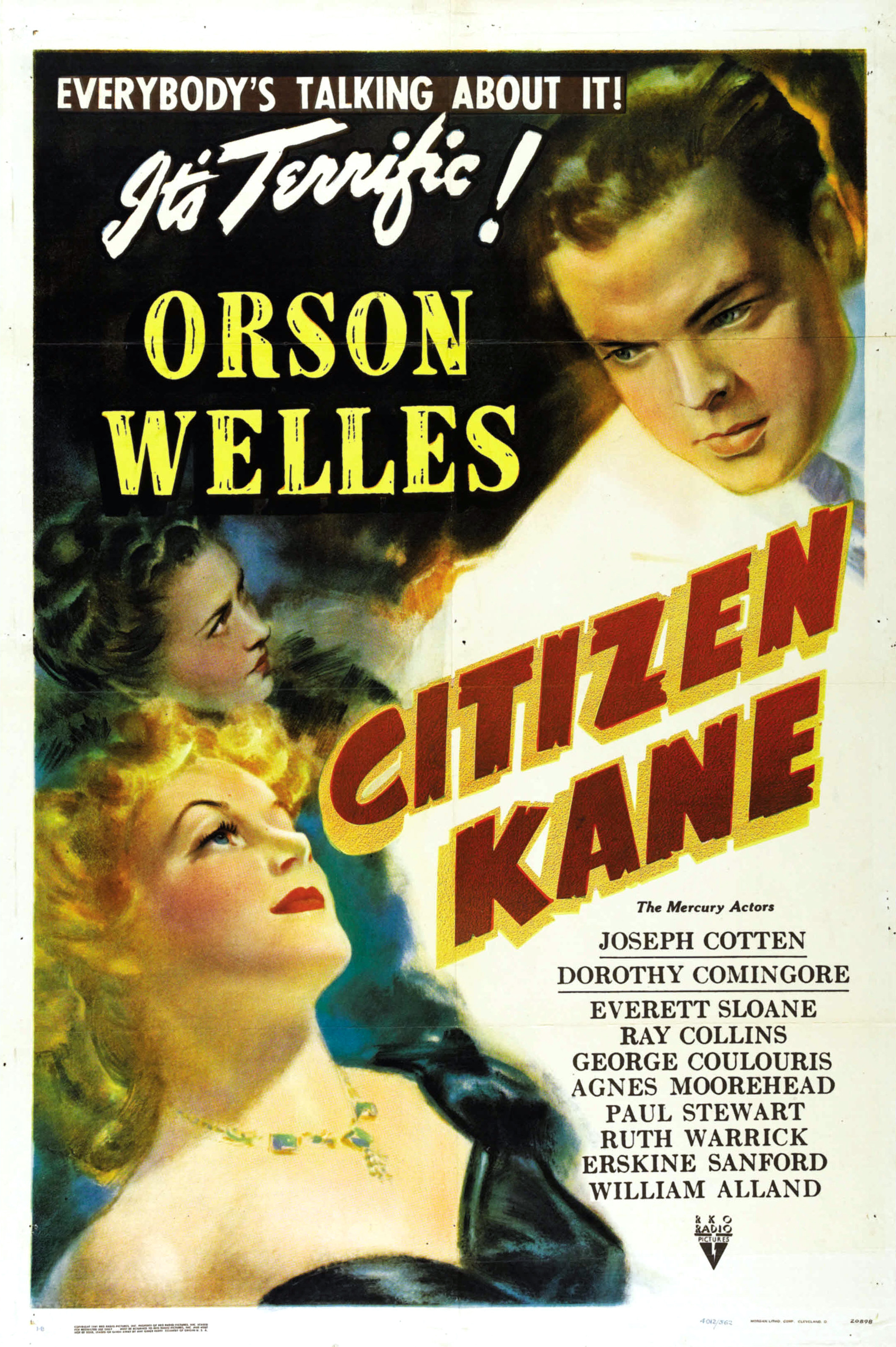
Students can study Citizen Kane for its storytelling structure, cinematography, use of perspective, media power, ambition, loneliness, and the question of what success costs a person.
Why it matters: it shows students that film language can shape meaning as powerfully as dialogue or plot.

Students can discuss the film’s treatment of racism, professionalism, dignity, justice, and the courage required to remain composed under pressure and disrespect.
Why it matters: it gives students a serious example of character, intelligence, and moral force in the face of injustice.

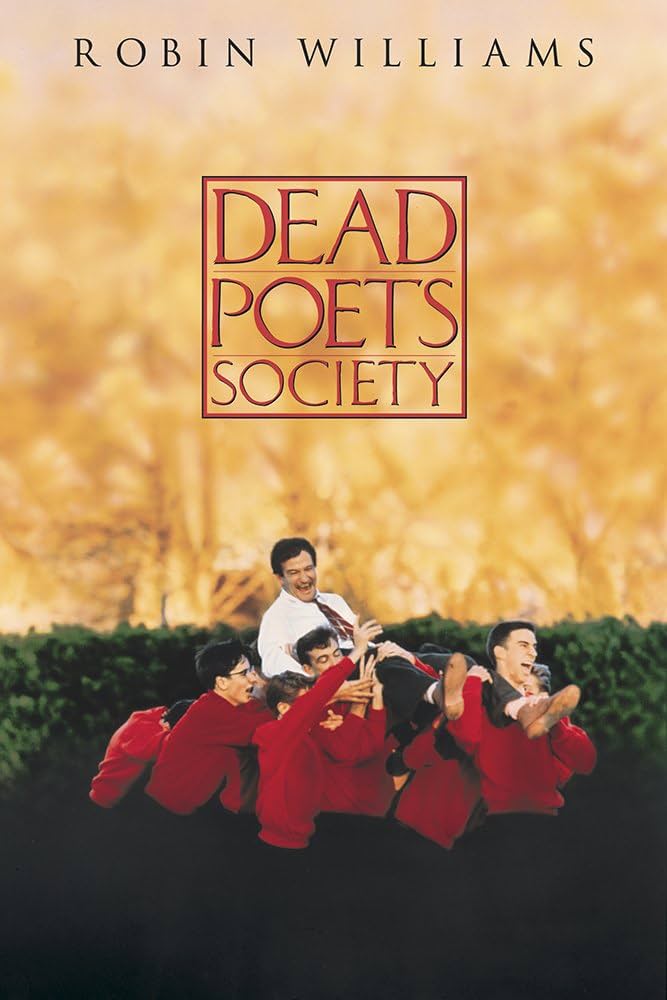
This film can support discussions about literature, identity, voice, conformity, courage, pressure, grief, and the influence teachers can have on students. Because of mature themes, parent approval is recommended.
Why it matters: it helps students think about courage, individuality, mentorship, and the serious emotional weight students can carry.

Students can discuss community, sacrifice, friendship, despair, hope, family, dignity, and the unseen impact one person can have on the lives of others.
Why it matters: it shows that ordinary acts of care and service can carry extraordinary meaning.
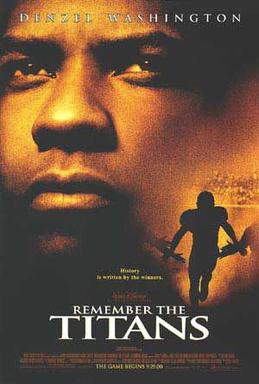
Students can examine teamwork, integration, discipline, leadership, conflict, and the difficult process of learning to respect people across division.
Why it matters: it gives students an accessible way to discuss leadership, unity, prejudice, and shared purpose.

Students can discuss women’s history, teamwork, competition, sacrifice, family pressure, opportunity, and the way World War II reshaped American life and athletics.
Why it matters: it gives students an accessible story about talent, perseverance, leadership, and the fight to be taken seriously.

Students can discuss perseverance, fatherhood, poverty, dignity, hope, work ethic, and the emotional strength required to keep going when life becomes difficult.
Why it matters: it gives students a grounded story about responsibility, sacrifice, and refusing to let hardship define the future.
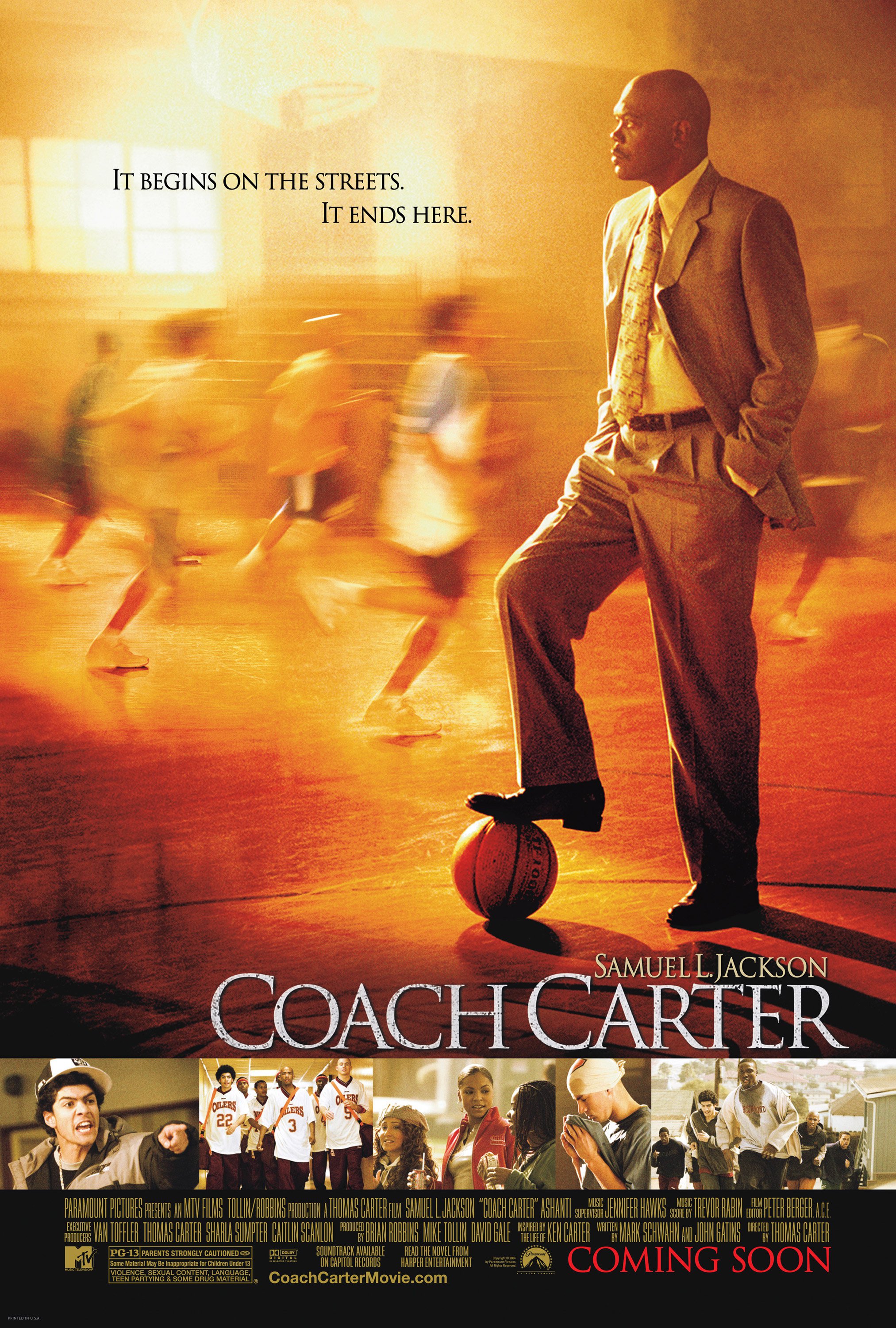
Students can examine discipline, accountability, leadership, teamwork, academic responsibility, peer pressure, and the importance of holding young people to high standards.
Why it matters: it shows students that real leadership is not always popular, and that character matters more than talent alone.
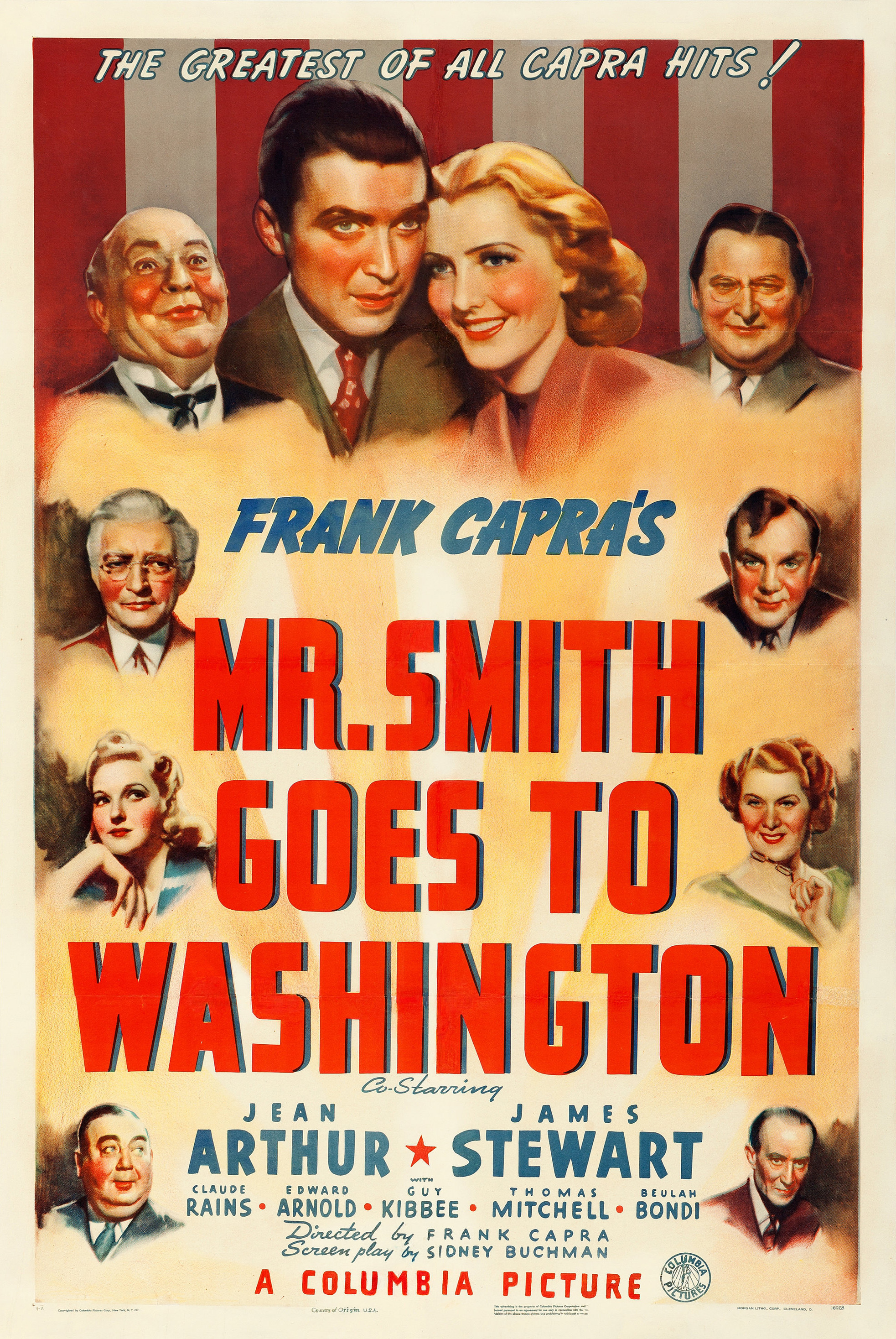
Students can discuss public service, corruption, idealism, civic courage, and what it means to stand by conscience inside flawed institutions.
Why it matters: it gives students a memorable story about ordinary people refusing to surrender their principles.

Students can explore music, family, courage, resistance, and the historical shadow of Nazi expansion in Austria.
Why it matters: it connects art, history, courage, family, and moral resistance in a story students can access across ages.

Students can study Roman Holiday for classic screenwriting, character, setting, honesty, duty, and the bittersweet balance between personal desire and responsibility.
Why it matters: it shows students that a story can be graceful, funny, restrained, and emotionally meaningful without needing spectacle.
Book Club gives students a chance to read meaningful books, discuss big ideas, connect literature to life, complete age-appropriate written work, and build confidence as thoughtful readers. Some titles may require parent approval depending on age, maturity, or content themes.
Younger students will typically read one book per month and complete guided worksheets, mini reports, creative responses, or short presentations that build comprehension, vocabulary, sequencing, character understanding, and confidence.
Older students may read up to two books per month depending on length, difficulty, grade level, and readiness. For each book, they will complete reading worksheets as they go, including chapter reflections, vocabulary, character notes, theme tracking, quote analysis, and short written responses. At the end of each quarter, older students will choose one book from that quarter’s reading list and write a formal paper.
Book Club should feel different from a test, but it should still be serious. Students read, talk, listen, make connections, ask questions, write, revise, and learn that books can shape the way they understand themselves, their community, and the world.

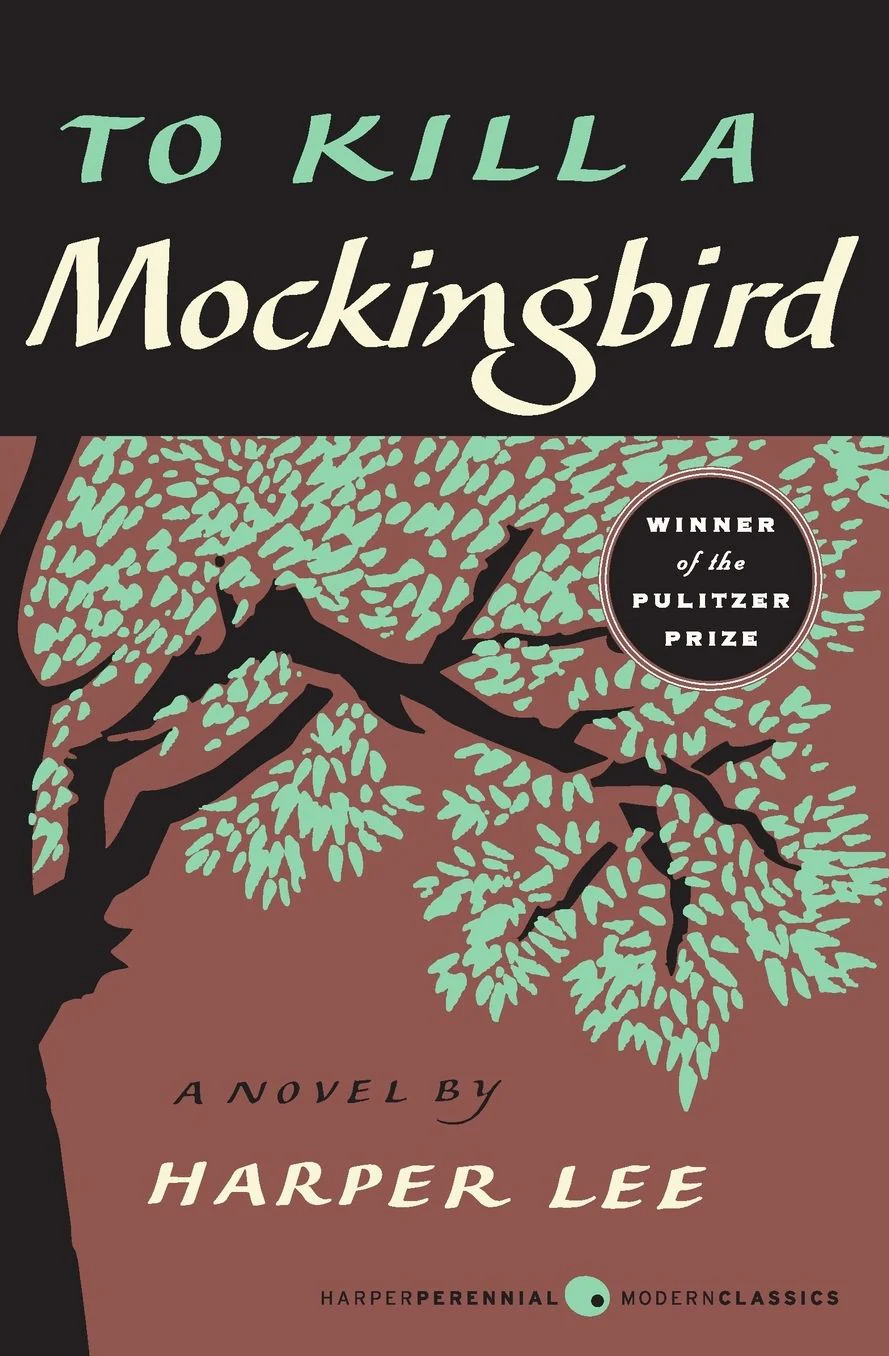
A foundational novel for discussing conscience, justice, childhood perspective, prejudice, courage, and moral responsibility. Students can connect the book to history, civic life, and human dignity.
Why it matters: it helps students understand that courage often means standing alone for what is right.

Students can discuss leadership, fear, group behavior, civilization, cruelty, responsibility, and the fragile line between order and chaos.
Why it matters: it forces students to think seriously about character, leadership, and what people become without moral restraint.

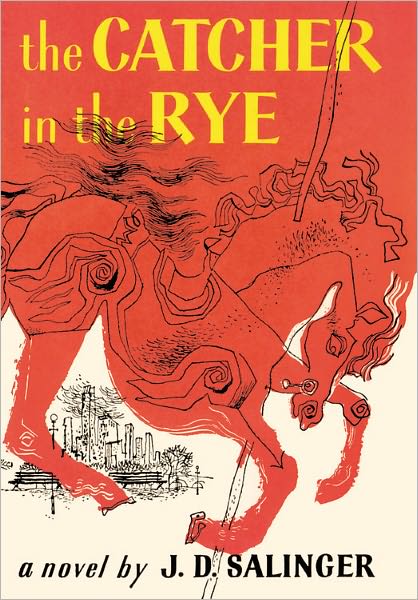
This book may support discussion about grief, alienation, identity, adolescence, voice, and emotional honesty. Parent approval is recommended because of mature language and themes.
Why it matters: it gives older students a chance to examine voice, pain, growing up, and the difference between cynicism and vulnerability.

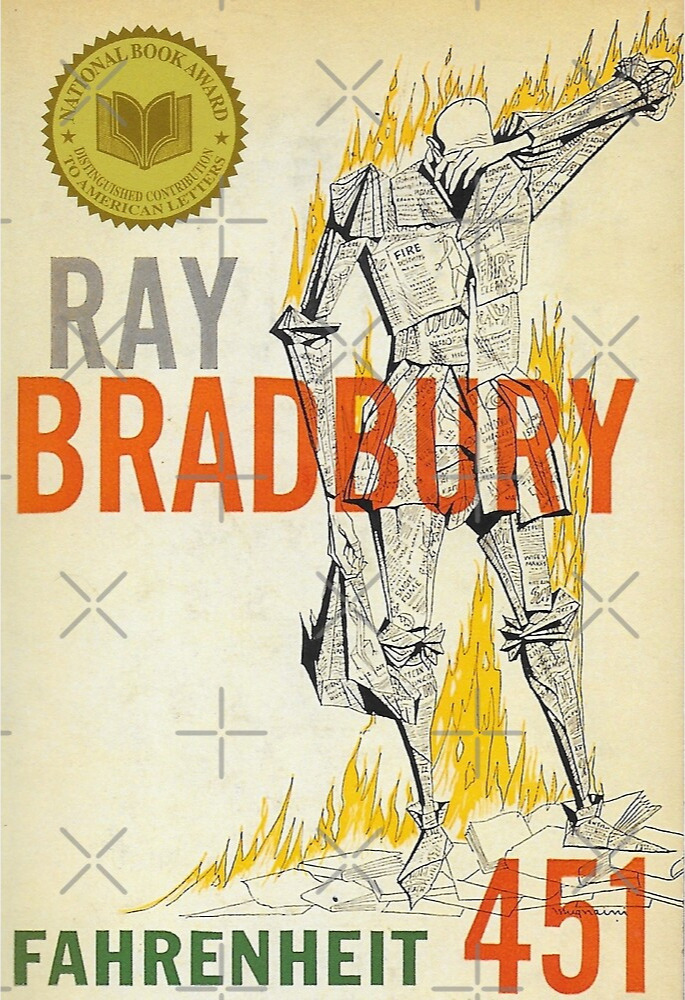
Students can discuss censorship, distraction, shallow entertainment, courage, memory, and the importance of books and independent thought.
Why it matters: it makes students ask what society loses when people stop reading, thinking, and remembering.

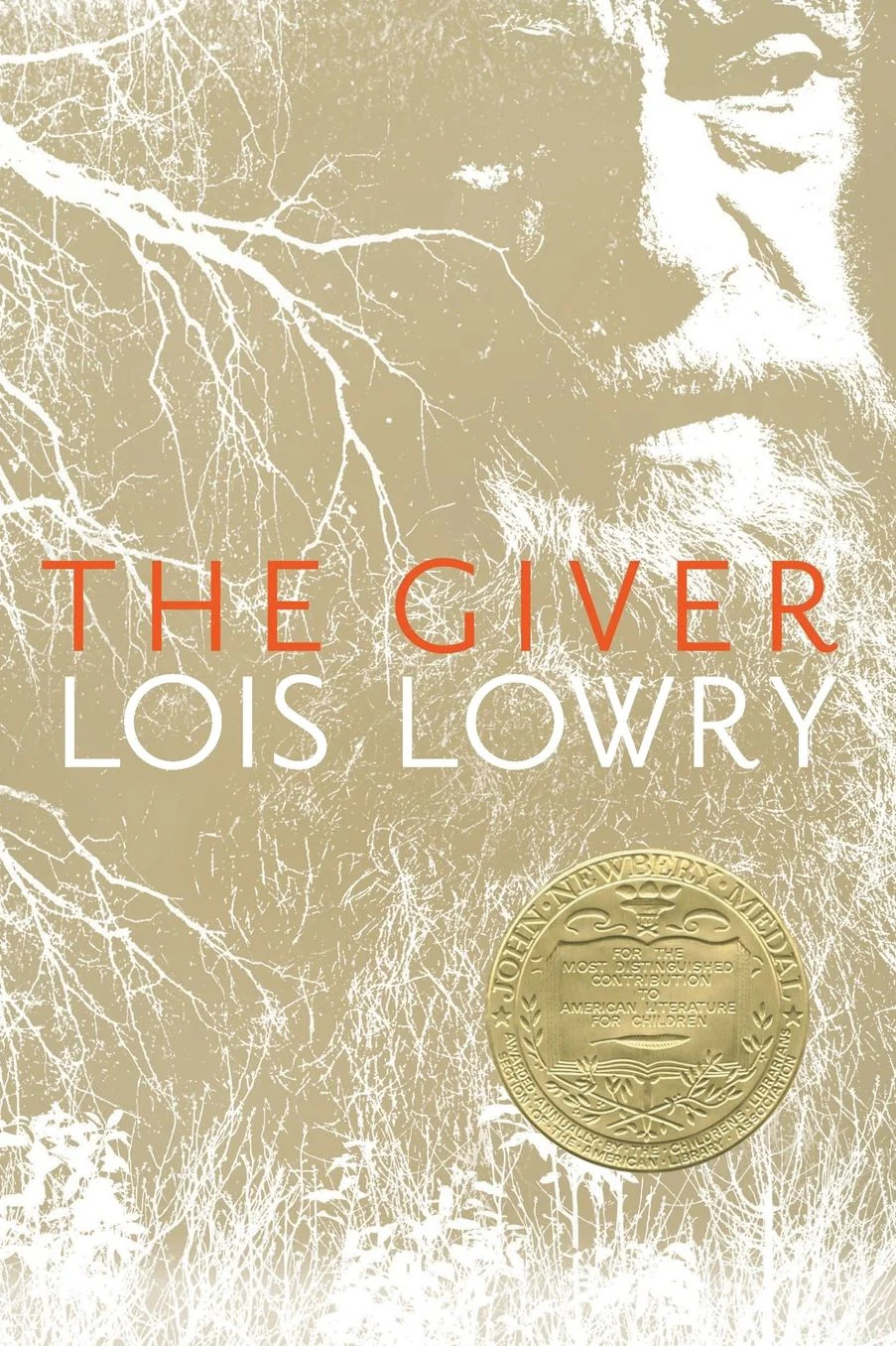
Students can discuss memory, truth, safety, freedom, pain, love, and what it means to live fully rather than simply comfortably.
Why it matters: it helps students wrestle with the cost of a society that avoids pain by removing freedom and depth.

Students can explore friendship, loyalty, class division, grief, violence, identity, empathy, and the need to see people beyond labels.
Why it matters: it gives students an accessible story about belonging, pain, and the humanity of people society may overlook.

Students can encounter Holocaust history through the voice of a young person whose humanity, hope, fear, and reflection remain deeply important.
Why it matters: it helps students understand history not as numbers, but as human lives, families, courage, and memory.

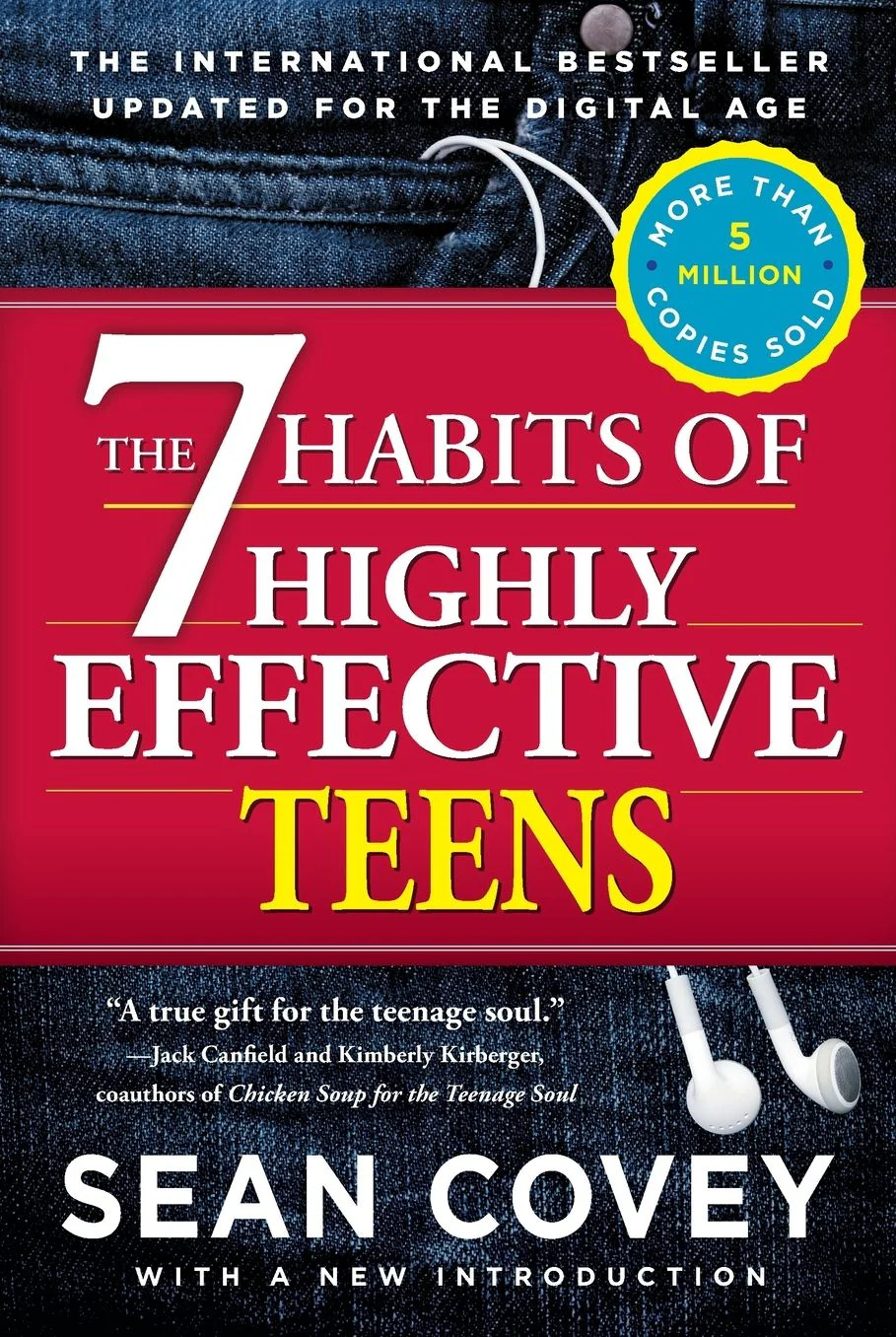
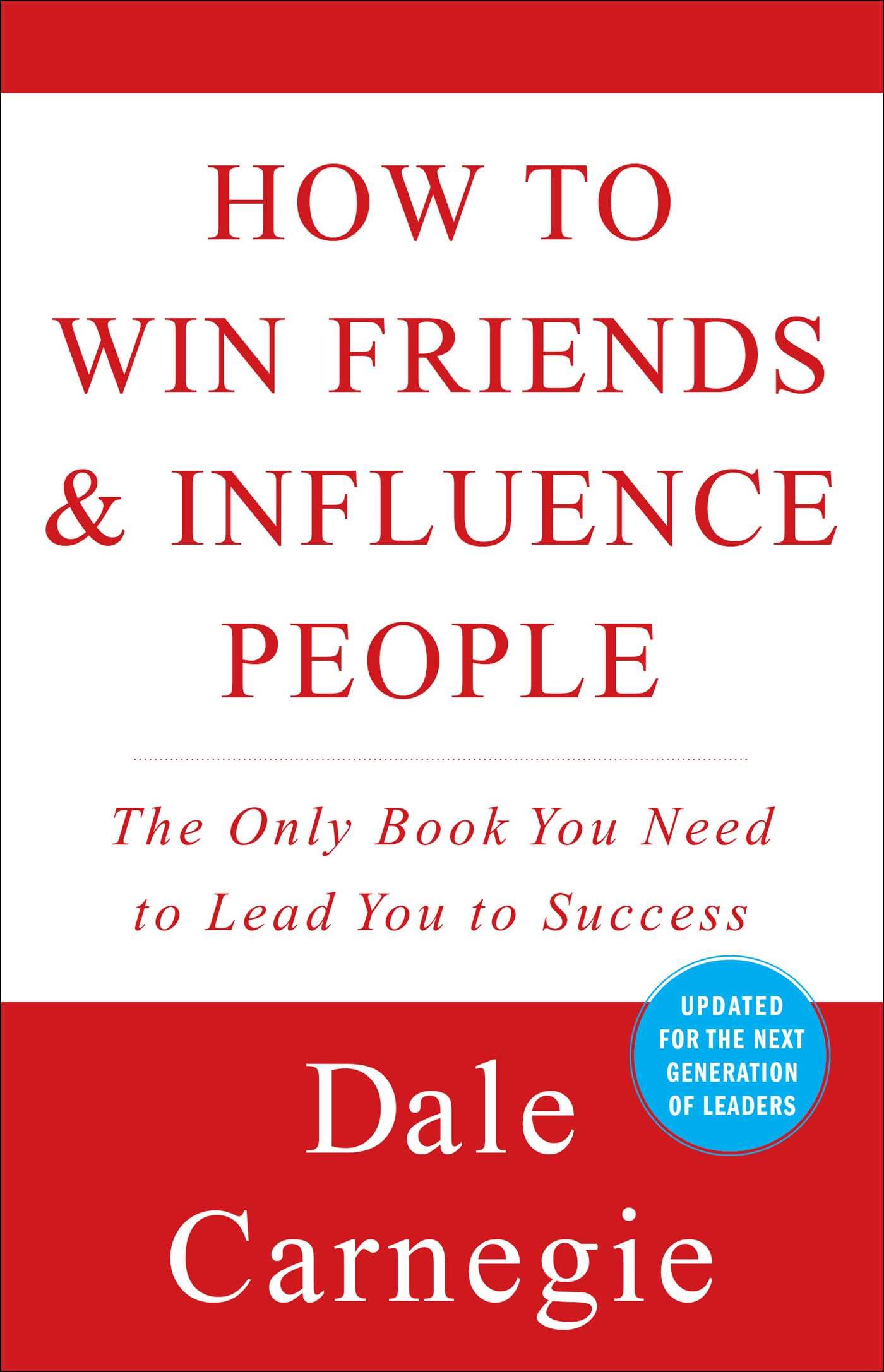
Students can study habits, goals, personal responsibility, relationships, planning, priorities, and leadership in a practical student-centered format.
Why it matters: it gives students useful language for self-discipline, decision-making, and growth.

Students can discuss communication, respect, listening, leadership, criticism, encouragement, and how people build trust in relationships.
Why it matters: it gives students practical tools for treating people well, communicating effectively, and leading without arrogance.

Students can explore adventure, courage, humility, friendship, greed, riddles, moral choices, and the growth of a reluctant hero.
Why it matters: it shows that bravery is not limited to the strongest person in the room.

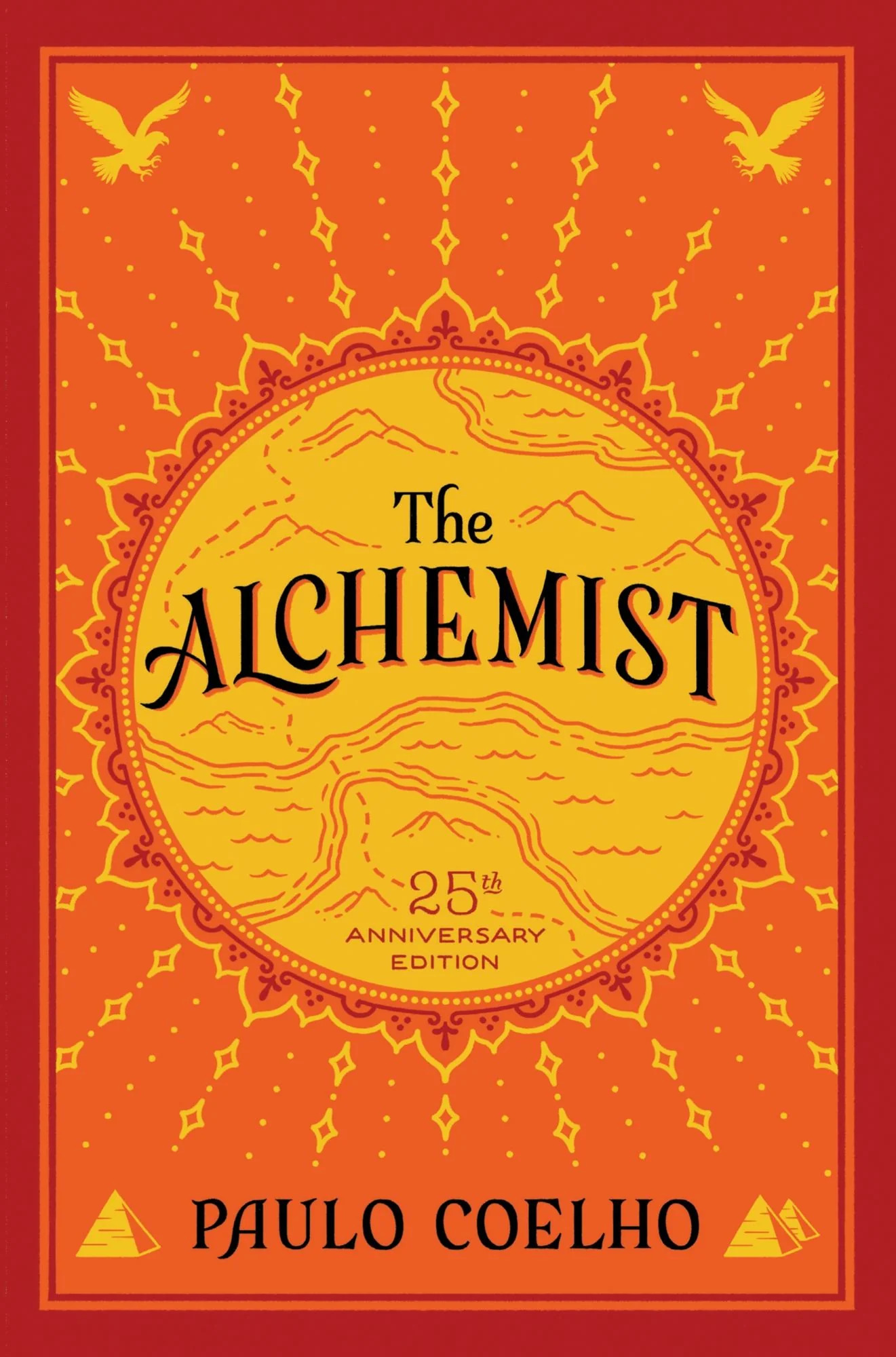
Students can discuss purpose, symbolism, desire, wisdom, perseverance, and the journey of seeking meaning. Parent approval is recommended because some philosophical themes may benefit from family awareness and discussion.
Why it matters: it gives students a simple but layered story about purpose, signs, discipline, and the search for meaning.

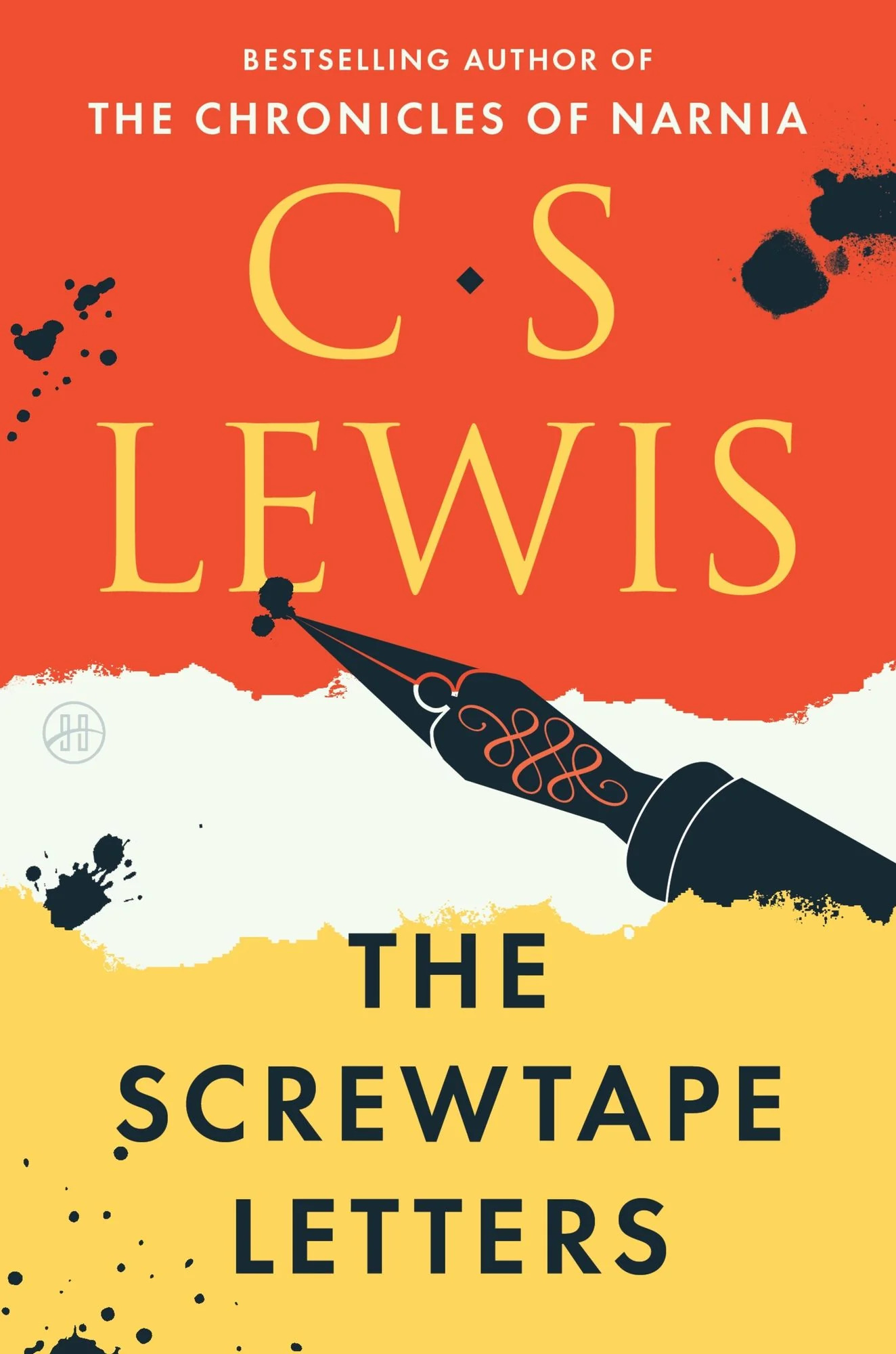
Students can explore satire, temptation, conscience, habits, and moral self-awareness. Parent approval is recommended because the format and mature themes may be better suited for mature readers.
Why it matters: it invites students to think critically about habits, pride, distraction, conscience, and moral decision-making.

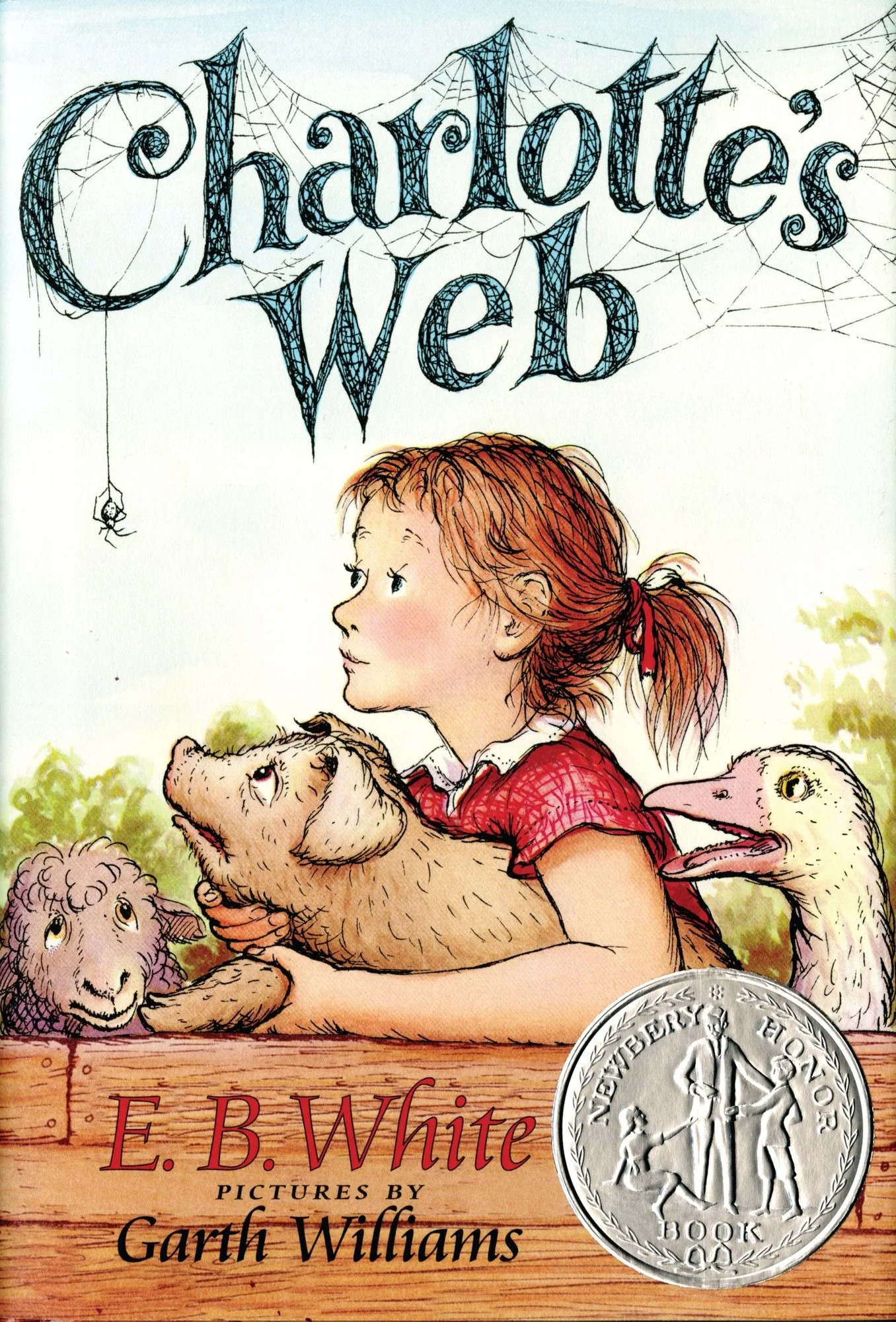
Students can discuss friendship, kindness, sacrifice, farm life, loyalty, and the power of words to change how others see us.
Why it matters: it is gentle, beautiful, and emotionally honest in a way young readers remember.

Students can explore courage, sacrifice, forgiveness, temptation, wonder, and the moral imagination through one of the most beloved children’s fantasy stories.
Why it matters: it gives students an accessible story of bravery, redemption, and hope.

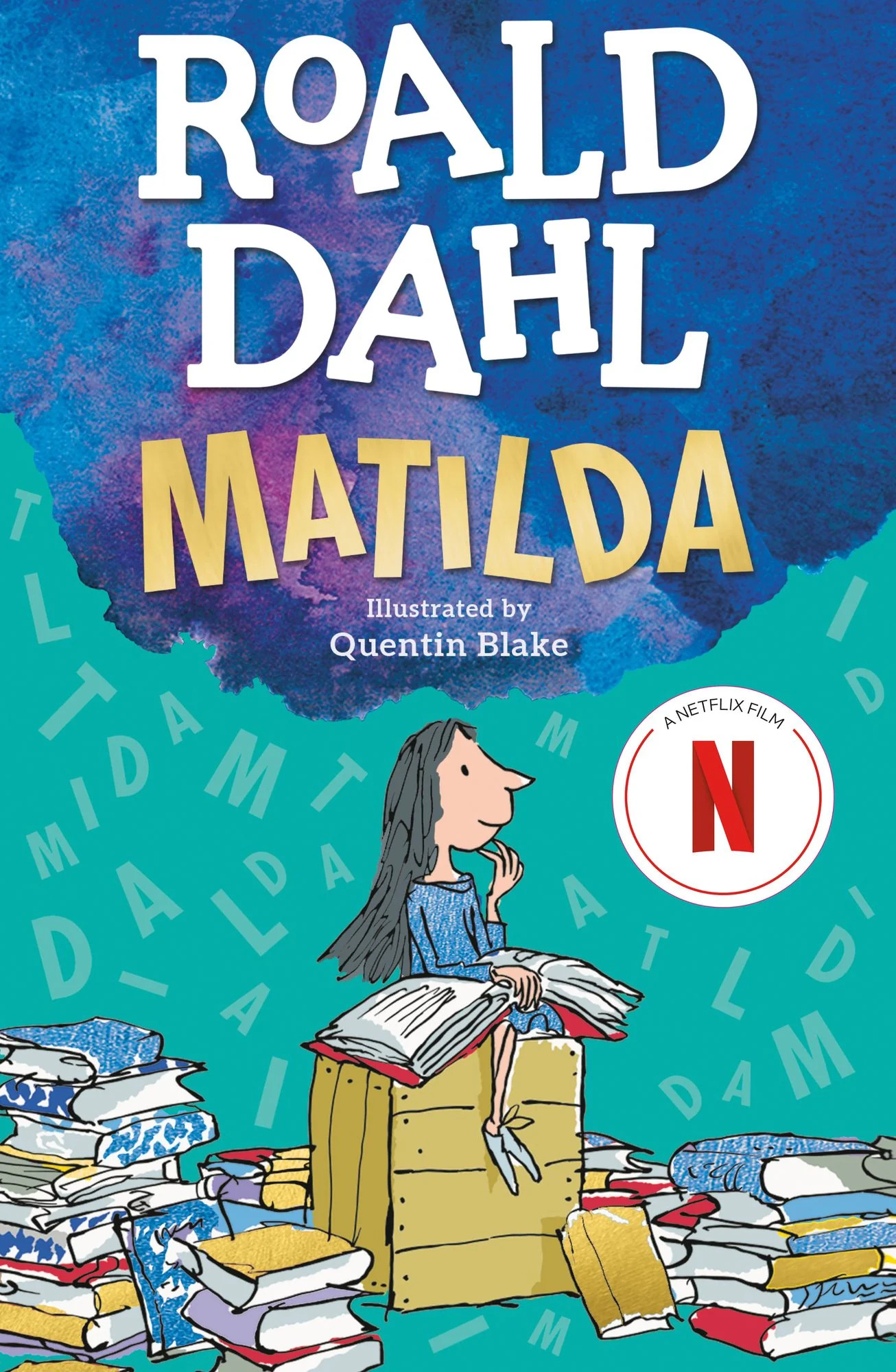
Students can discuss books, intelligence, resilience, unfairness, courage, imagination, and the way children can find strength even in difficult situations.
Why it matters: it celebrates reading, wit, justice, and the power of a child’s inner life.

Students can explore adventure, danger, loyalty, greed, courage, and classic storytelling through one of the defining adventure novels for young readers.
Why it matters: it gives students a doorway into older language, adventure structure, and moral choices.

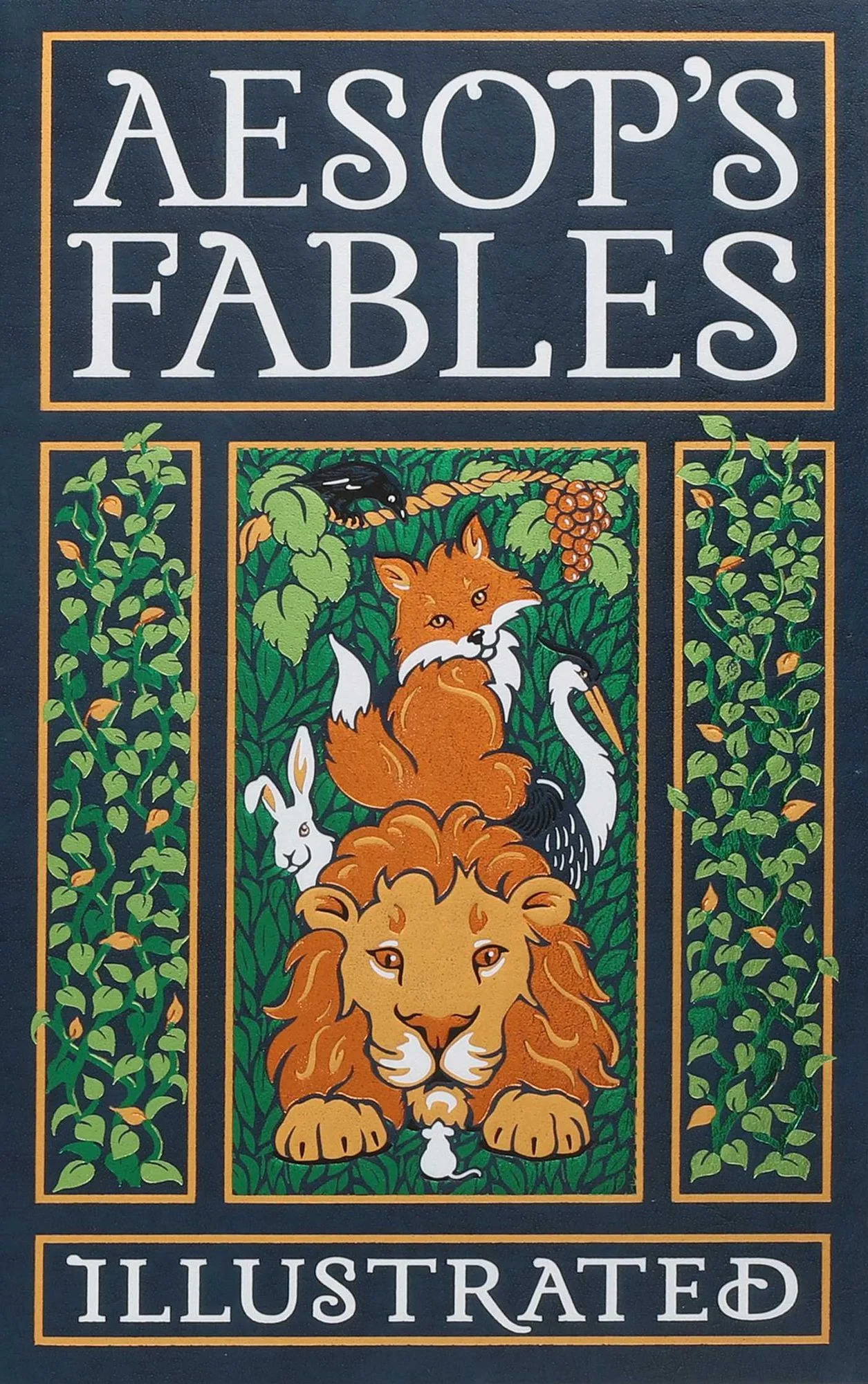
Students can read short fables that teach moral lessons through animals, wit, consequences, and memorable storytelling.
Why it matters: fables help young students discuss character, choices, and wisdom in clear, memorable ways.

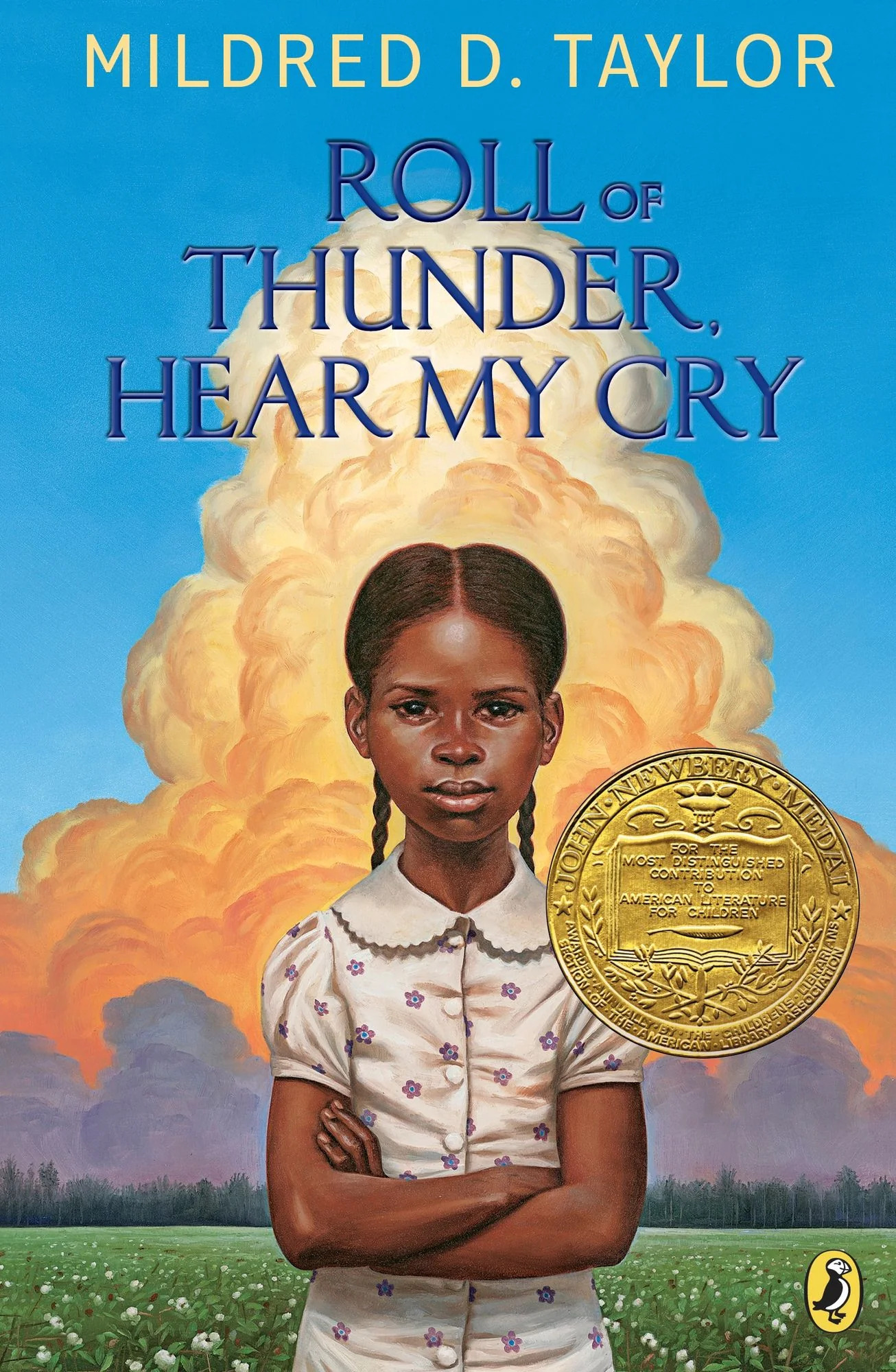
Students can discuss family, land, dignity, racism, courage, history, and the strength required to resist humiliation and injustice.
Why it matters: it teaches history through family, courage, and the fight to protect dignity.

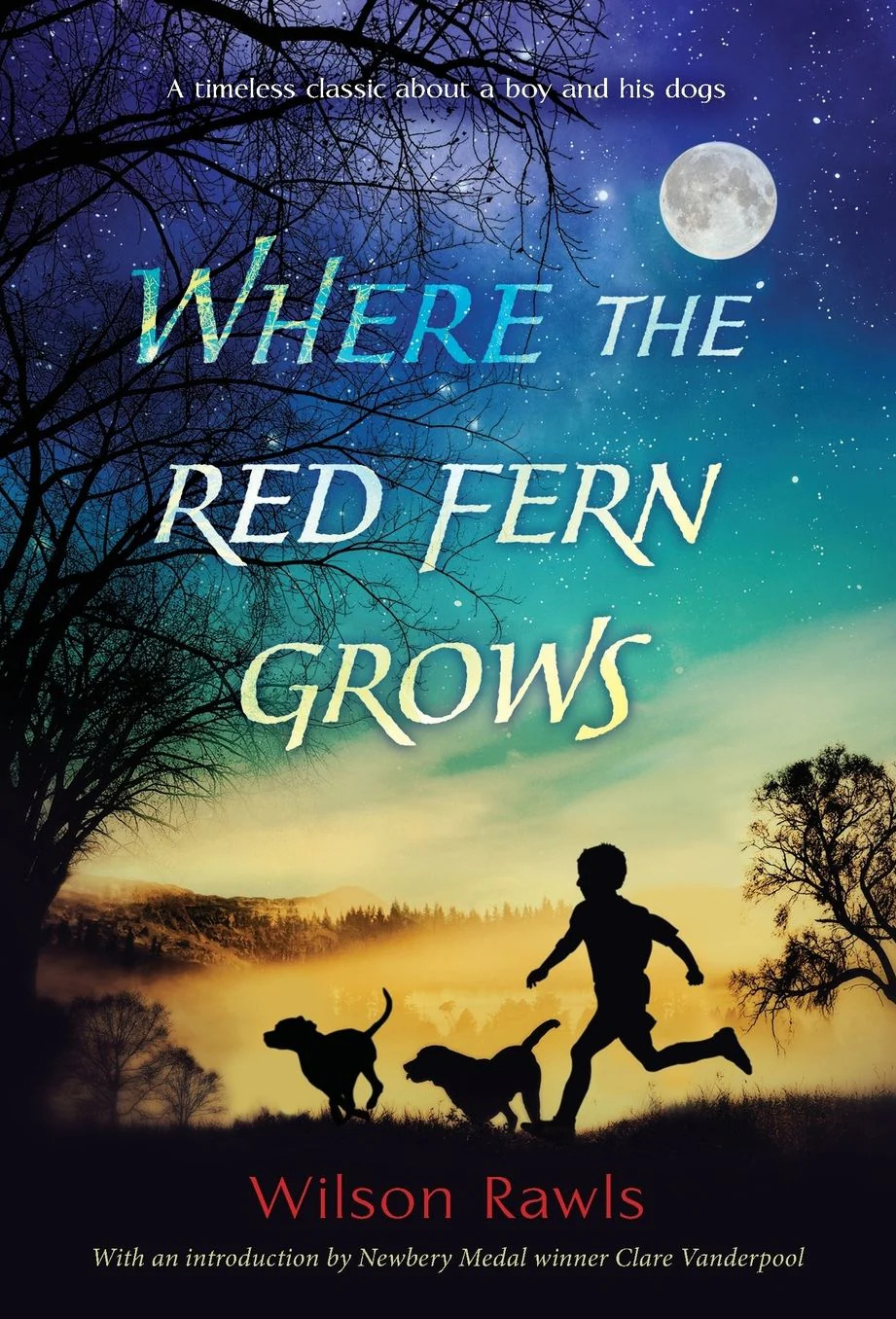
Students can discuss loyalty, perseverance, responsibility, love, grief, and growing up through a powerful story about a boy and his dogs.
Why it matters: it helps students process devotion, responsibility, and loss through story.

Students can discuss kindness, courage, friendship, difference, inclusion, empathy, and the impact of how we treat others.
Why it matters: it gives students a clear invitation to choose kindness and see others with dignity.

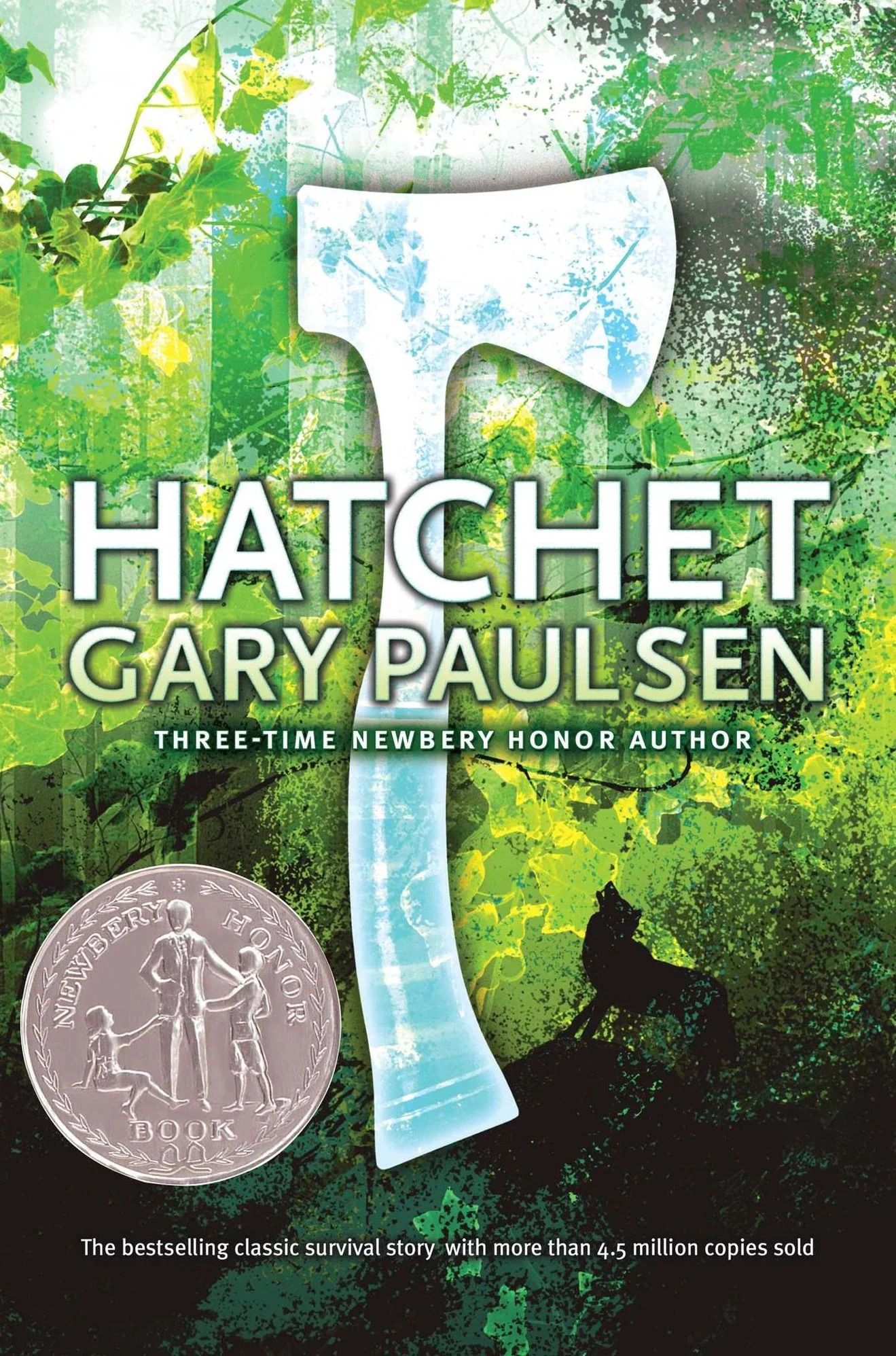
Students can discuss survival, resilience, fear, problem-solving, nature, solitude, and the mental strength needed to keep going.
Why it matters: it helps students see courage as resourcefulness, patience, and refusal to give up.

Students can learn about bravery, friendship, family, danger, and moral courage during the Holocaust through a story written for young readers.
Why it matters: it introduces serious history through courage, compassion, and age-appropriate storytelling.
Explore Lux Learning Center’s Independent Study Program or contact us to learn more about personal finance, entrepreneurship, community service and civics, agriculture, outdoor learning, studio art, sewing, drama, STEM, debate, chess, Film Studies, Book Club, museum visits, live theater, concerts, and the cultural experiences we are building for K–8 students.